To receive your discount please fill in your details below.
It warms our hearts to see our valued HEROES being taken care off.


Winter in Melbourne: you either love it or you hate it. Winter affects us all and our homes, and it requires some adjustments to protect your property.
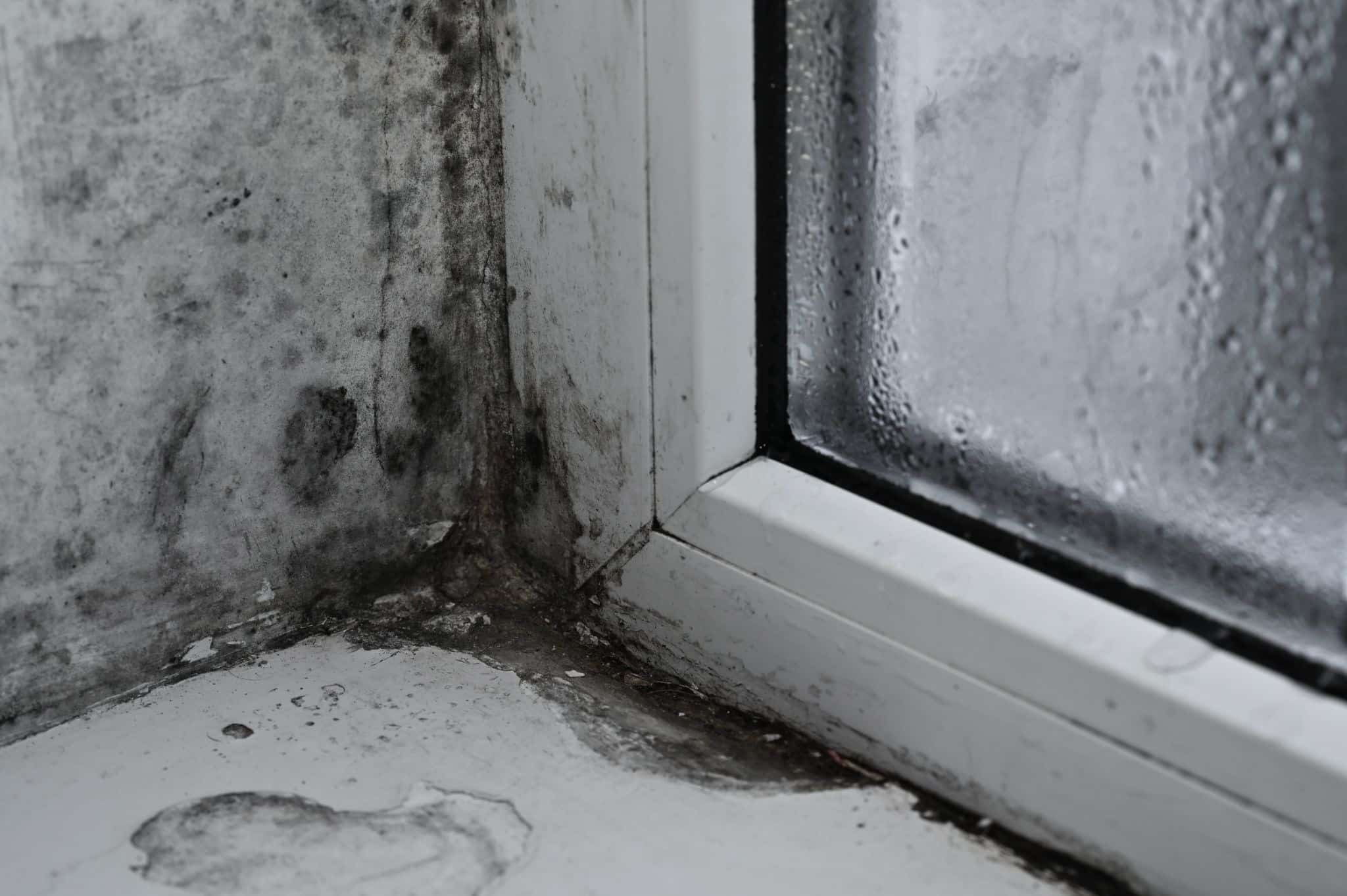
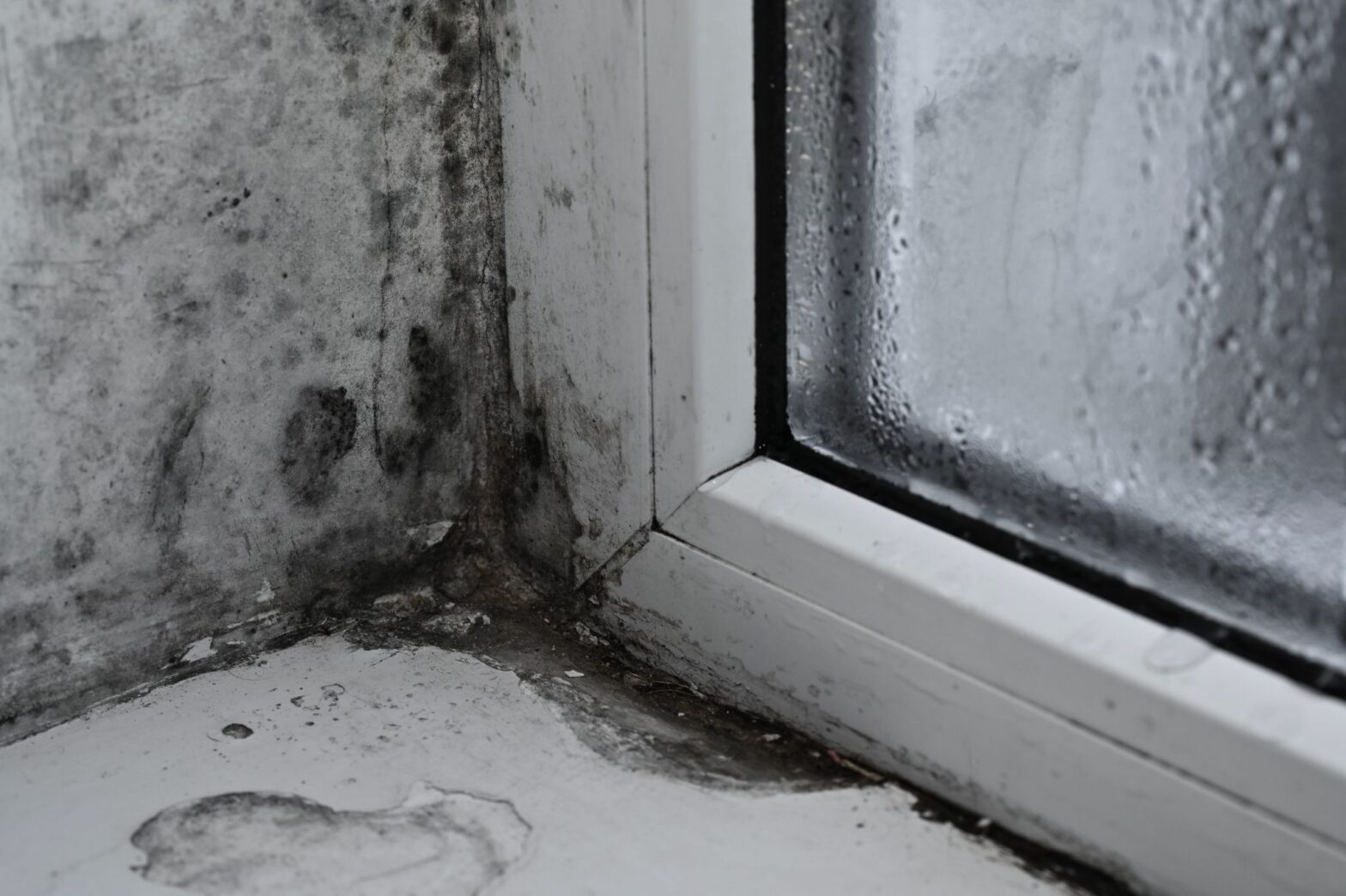
But chances are that what you really hate more than the cold wind at your windows and heavy rain on your roof is actually the mould. Winter brings an increased risk of black mould (Stachybotrys chartarum) in homes, and it can quickly escalate into major health problems if not addressed.
Cleaning mould that is already here is important, but the best course of action is prevention. If you live in Melbourne and are worried about mould growing in your home this winter, then follow these tips for keeping your home dry and mould-free for the next six months.
The first major step in preventing mould from growing in your house is to control the relative humidity. Simply put, relative humidity is the amount of water vapour in the air, and mould thrives in humid environments.
During winter, homes are often sealed to help keep heat inside, which traps ambient moisture. As a result, your indoor humidity can rise even when the air outside is cold and dry; thus, your towel won’t seem to dry, but the mould on your bathroom ceiling seems to thrive.
Controlling your indoor humidity levels will help prevent mould from forming on your walls and ceilings. You can achieve this with a bathroom exhaust fan installation, by showering with a window or door open, or even by opening the blinds to let midday sunlight dry the interiors.
If you make sure the humidity doesn’t stagnate inside, mould won’t be able to take root in the first place.
Controlling humidity is only one side of the coin. To prevent mould from growing in your home, you also need to curb condensation.
When warm air from interior heating hits cold windows, moisture forms inside and gets trapped. Because people are not allowing draughts in their homes to keep heat in, condensation accumulates until it pools.
This can be resolved either by regularly wiping it up or by addressing any major leaks in your home. Cooking with the rangehood fan on can also help prevent condensation from building up in your kitchen, a favourite venue for mould.
Controlling humidity can be easier said than done, of course, so another key method for preventing mould growth is by keeping your house’s surfaces clean. To grow, mould needs organic matter to feed on, like dead skin cells, dirt, or bacteria, and regular cleaning will help remove these agents.
Floors, benchtops, and bathrooms should be cleaned at least once a week, and all walls, ceilings, and windows should be wiped down ideally once a year. Since mould is a major issue in Melbourne’s winter, it may be a good idea to commit to an annual autumn cleaning in preparation for it.
Spring cleaning for the dust and autumn cleaning for the mould! Keeping your house clean will ensure that mould has nowhere to go and can’t grow.
It can be difficult to address moisture and wetness in the house during winter. Mopped floors and wet laundry can seemingly take days to dry in the cold, after all!
But mould can establish within 24 to 48 hours on wet surfaces, including fabrics and even carpet. Quickly addressing wet spots and leaks, as well as drying spills in the house, can help stop mould growth in its tracks.
Also, a roof leak can significantly increase condensation in your home, so be on the lookout for any particularly wet or moist areas. You may need to invest in professional repairs to keep your house dry, even if the problem is beyond your control.
It is important to remove mould in the house to keep inhabitants healthy. But cleaning mould can also be dangerous if not done properly.
Follow these steps to keep yourself healthy while preventing mould growth in your house.
SAFETY TIP: Be careful when using homemade or commercial mould cleaning solutions. Many contain bleach and can be poisonous if consumed, and can even cause blindness if they get in your eyes. Do not clean mould with children present in the room, and ensure adequate ventilation so the fumes can escape.
By following these simple steps, you will safely and effectively remove the mould in your home. Not only will the mould be gone, but if dried thoroughly, it will not grow back either.
Winter in Melbourne can be beautiful, but it also creates the perfect conditions for mould to thrive inside our houses. Between sealed-up doors and windows, rising indoor humidity, and persistent condensation on flat surfaces, moisture can build up quickly… giving mould exactly what it needs to grow.
While cleaning existing mould is important, the real key is prevention, stopping it before it has a chance to take hold. By staying on top of indoor humidity control, managing condensation around windows and cold surfaces, maintaining a regular cleaning routine, and acting quickly on any leaks or water damage, you can dramatically reduce the risk of mould returning.
Even small habits, like using exhaust fans, wiping down damp areas, and improving airflow throughout your home, can make a noticeable difference during the colder months. Mould problems can escalate quickly in winter conditions, so consistency is everything: a proactive approach now means keeping a healthier home with better air quality and far less stress when the weather turns cold and wet again!